
 Merken
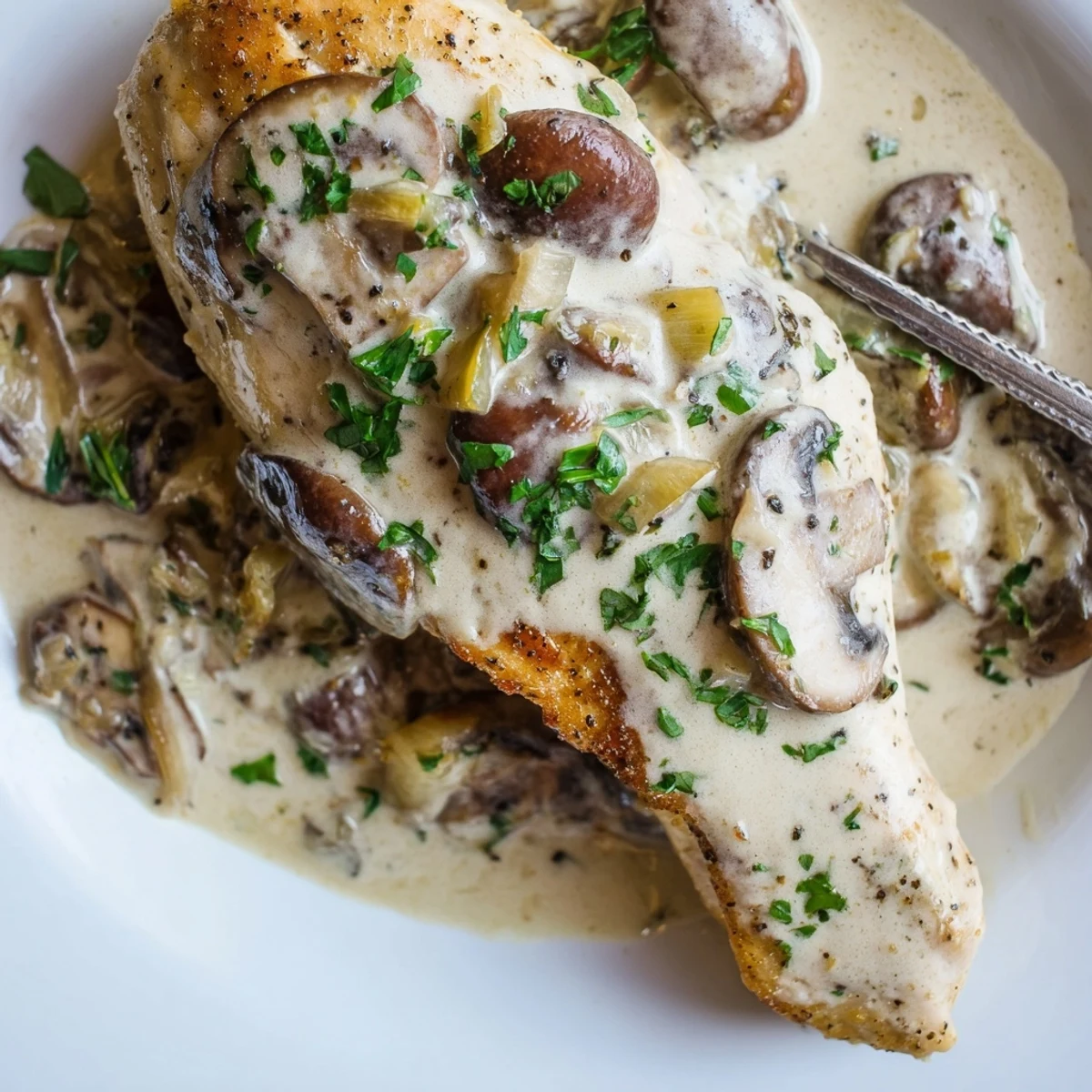
 Zarte Hühnchenbrüste werden zunächst gewürzt und scharf angebraten, bevor sie in einer reichhaltigen Sauce aus Pilzen, Knoblauch, Sahne und Gewürzen langsam ziehen. Das Gericht vereint herzhafte Aromen in einer cremigen Textur, die besonders gut mit Beilagen wie Kartoffelpüree oder Reis harmoniert. Für eine frische Note sorgt gehackte Petersilie als Garnitur. Die Zubereitung erfordert wenig Aufwand und eignet sich bestens für ein schnelles, zugleich schmackhaftes Abendessen.
There's something about the sound of chicken hitting a hot skillet that tells you dinner is going to be good. I stumbled into this creamy garlic mushroom version on a random Tuesday when I had cream in the fridge and mushrooms that needed using, and it became one of those dishes I make when I want something that feels special but doesn't require much thinking. The sauce does all the heavy lifting—it's rich without being heavy, and it makes the kitchen smell like comfort.
I made this for my partner when he was recovering from the flu and insisted he was bored with broth-based everything. Watching him actually eat something warm and creamy instead of pushing food around felt like a small victory. He asked for it again the next week, which was when I knew I'd found something worth keeping in rotation.
Ingredients
- 4 boneless, skinless chicken breasts: Pat them completely dry before seasoning—moisture is the enemy of a good sear, and a proper golden crust keeps the meat tender inside.
- 8 oz mushrooms (cremini or white), sliced: Don't wash them; just brush off any dirt with a damp cloth and slice them thick enough to hold their shape when they soften.
- 4 cloves garlic, minced: Fresh is non-negotiable here—it's the backbone of the sauce, so use good garlic and mince it yourself if you can.
- 1 small yellow onion, finely diced: This dissolves almost completely into the sauce, adding sweetness that balances the earthiness of the mushrooms.
- 1 cup chicken broth: Use something with flavor; bland broth means a bland sauce, no matter what else you do.
- 1 cup heavy cream: If you want something lighter, half-and-half works, but the sauce won't be quite as velvety.
- 1 teaspoon Dijon mustard: This isn't for spice—it's for depth, tying flavors together in a way that makes people ask what that subtle something is.
- 1/2 teaspoon each dried thyme and parsley: Dried herbs work fine here and actually distribute more evenly than fresh would.
- Salt, pepper, and 2 tablespoons olive oil: Season generously at each step; it's easier to build flavor gradually than to rescue a bland dish at the end.
Instructions
- Prepare and season the chicken:
- Pat your chicken breasts dry with paper towels—this is the step that matters most for a good sear. Sprinkle both sides with salt and pepper and let them sit for a minute so the seasoning sticks.
- Sear until golden:
- Heat olive oil in a large skillet over medium-high until it shimmers. Place chicken in the pan and resist the urge to move it; let it sit undisturbed for 4-5 minutes until a golden crust forms, then flip and repeat. Transfer to a plate and cover loosely with foil.
- Build the flavor base:
- In the same skillet (don't clean it), add mushrooms and onions. Let them cook undisturbed for a minute so they start to brown, then stir and cook until soft and golden, about 5-6 minutes. Add garlic and listen for it to smell incredible within about a minute.
- Deglaze and build the sauce:
- Pour in chicken broth while scraping the bottom of the pan with a wooden spoon, lifting up all those flavorful browned bits. Stir in cream, mustard, thyme, and parsley, then let it come to a gentle simmer—you want small bubbles, not a rolling boil.
- Finish cooking:
- Return chicken to the skillet, nestling it into the sauce. Spoon sauce over the top and simmer for 5-7 minutes, just long enough for the sauce to thicken and the chicken to heat through. Taste and adjust salt and pepper as needed.
- Serve with intention:
- Garnish with fresh parsley if you have it, and serve over mashed potatoes, rice, or whatever carb you're craving that night.
 Merken
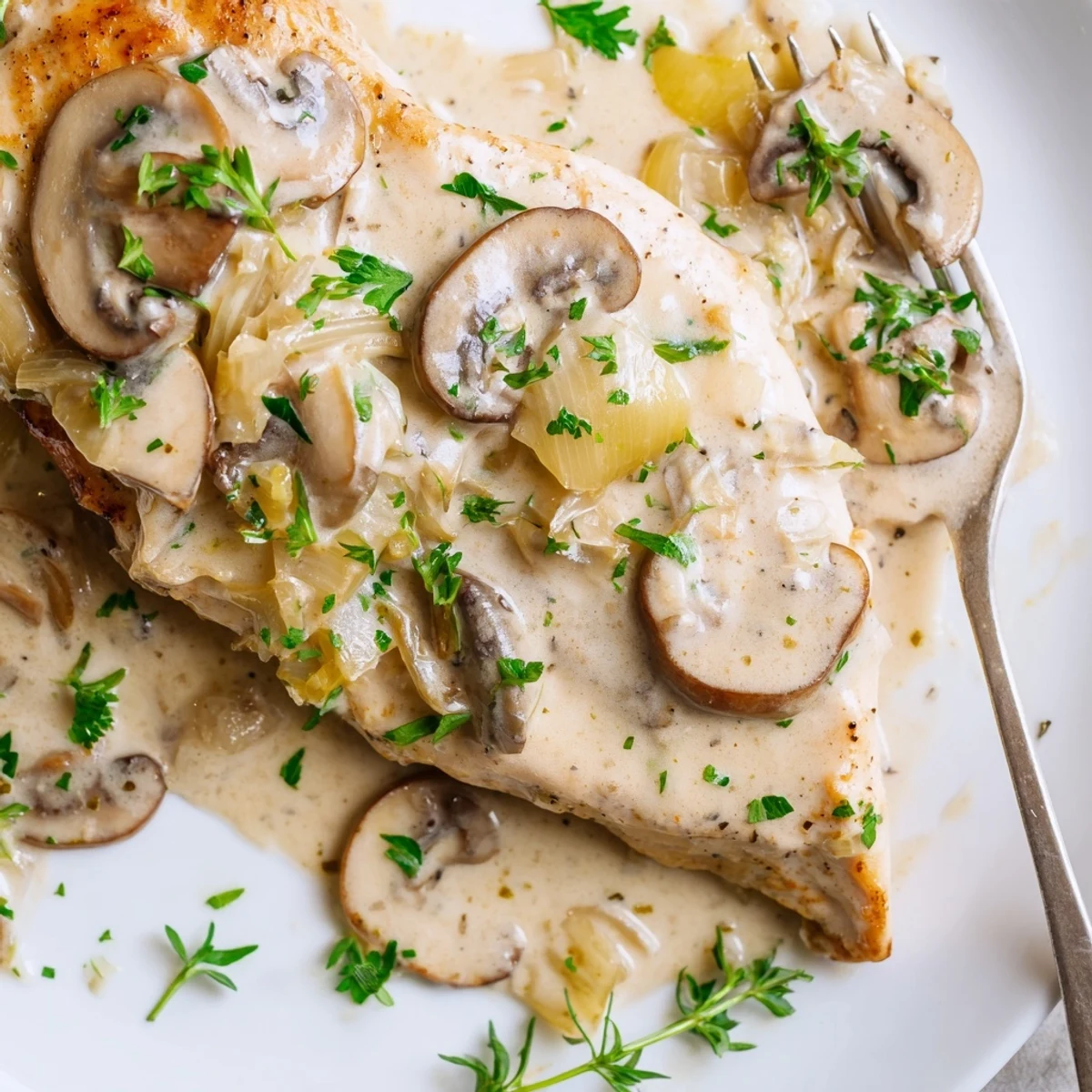
 There's a moment, right when everything comes together, where the kitchen smells so good that you forget you're just cooking chicken and mushrooms. My kids actually asked for seconds, which in our house means this dish has earned its place on the regular rotation.
Why This Works Every Time
The magic is in the order and the restraint. You're not doing anything fancy—just searing, sautéing, simmering—but each step matters. The sear creates a flavorful crust, the mushroom-onion base provides umami and structure, and the cream sauce brings everything together without overwhelming the chicken. It's the kind of dish that works because of technique, not complexity.
Timing and Temperature Matter
Medium-high heat for searing, then medium or medium-low for everything else—this is key. Rush the searing and your chicken won't develop a crust. Rush the sauce and it'll break. I learned this the hard way, watching good ingredients turn into an accidentally scrambled mess. Now I turn the heat down the moment I add the cream, and everything cooperates.
Serving Suggestions and Variations
This dish is flexible enough to adapt to whatever you have on hand. Mashed potatoes are classic, but egg noodles, rice, or even toast work beautifully for soaking up sauce. You can swap chicken thighs for breasts if you prefer more forgiving dark meat, or add fresh spinach at the very end for something green and nutritious.
- Use a mix of mushroom types (cremini, shiitake, oyster) for deeper, more complex flavor.
- A splash of white wine instead of some of the broth adds brightness and sophistication.
- Make it ahead: this reheats beautifully, so cook it earlier in the day and warm gently before serving.
 Merken
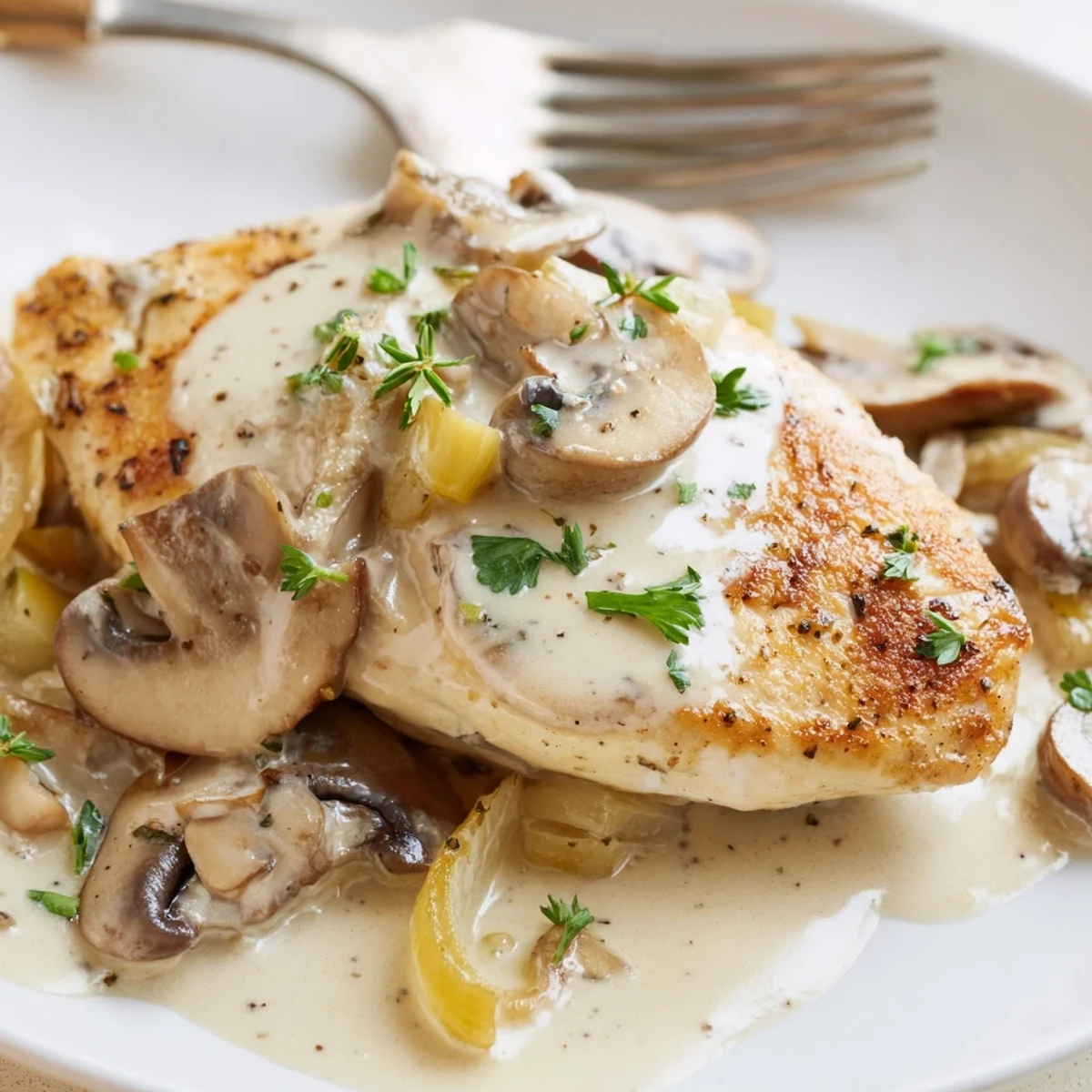
 This is the kind of meal that reminds you why home cooking matters. It's warm, it's honest, and it makes your kitchen smell like someone who actually knows what they're doing.
Fragen & Antworten zum Rezept
- → Welche Pilzsorten eignen sich am besten?
-
Cremini oder weiße Champignons bieten einen milden Geschmack und eine angenehme Textur für die Soße.
- → Kann ich statt Hähnchenbrühe eine andere Flüssigkeit verwenden?
-
Gemüsebrühe oder Wasser können als Ersatz dienen, um die Sauce leichter zu gestalten.
- → Wie lässt sich die Soße dicker machen?
-
Die Sauce durch längeres Köcheln reduzieren oder mit etwas Speisestärke andicken.
- → Welche Beilagen passen gut dazu?
-
Kartoffelpüree, Reis oder frisches Brot ergänzen die cremige Soße optimal.
- → Kann ich statt Sahne eine leichtere Variante verwenden?
-
Halb und halb oder Milch mit einem Schuss Butter sind leichtere Alternativen zur Sahne.