
 Merken
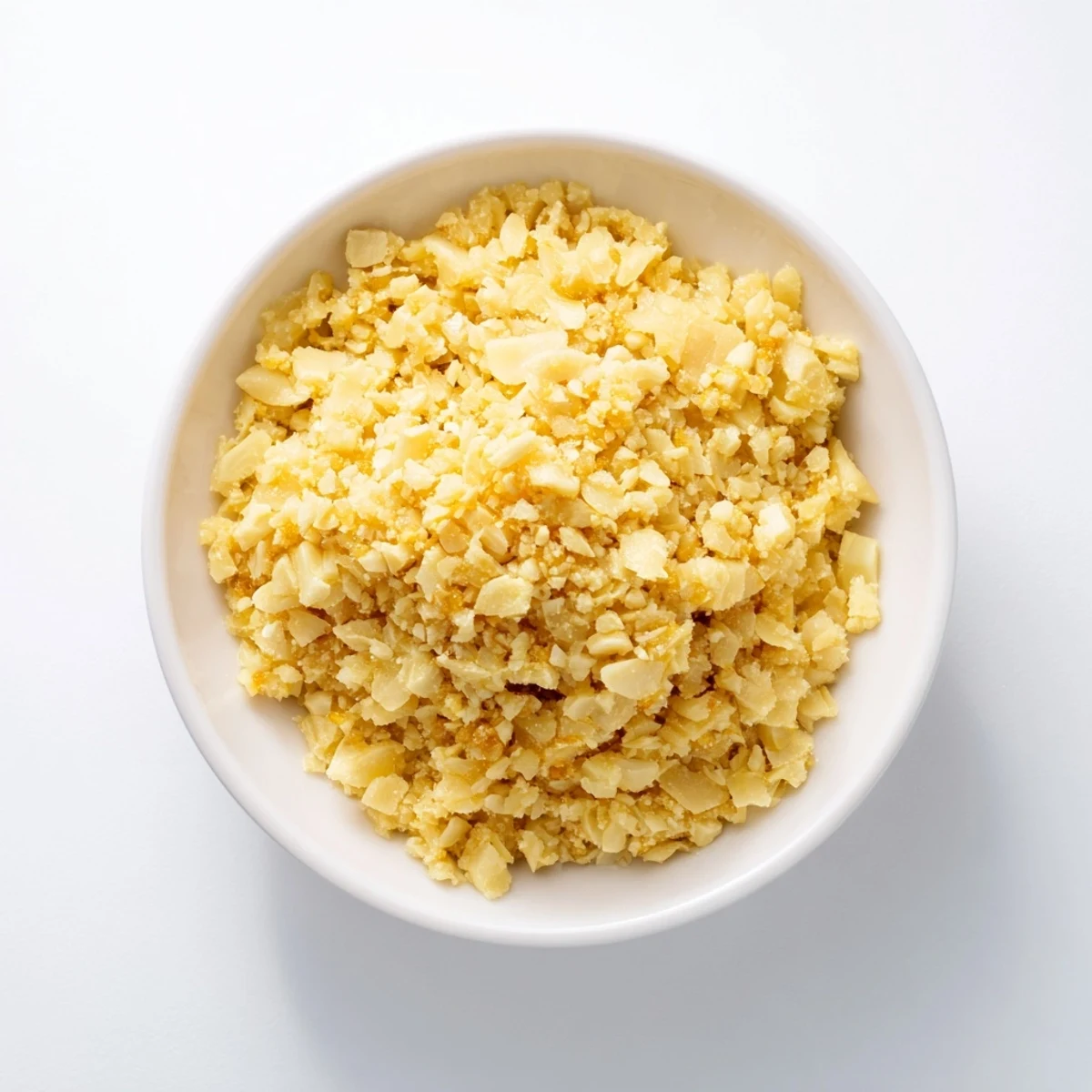
 Diese aromatische Knoblauchpaste vereint geschälte Knoblauchzehen und Meersalz zu einer cremigen Basis. Optional sorgt ein Schuss natives Olivenöl für eine geschmeidige Textur. Die Zubereitung dauert nur wenige Minuten und die Paste verfeinert vielfältige Gerichte vom Brotaufstrich bis zur Sauce. Für eine mildere Note können die Knoblauchzehen kurz blanchiert werden. Das Ergebnis ist eine vielseitige Würzpaste, die einfach und schnell Geschmack und Aroma intensiviert.
There's something almost meditative about crushing garlic by hand, watching those firm cloves transform into a fragrant paste under the heel of a knife. I discovered this method during a chaotic dinner party when my garlic press went missing, and what started as improvisation became my favorite way to prepare garlic ever since. The aromas that rise up during those few minutes of crushing feel almost therapeutic, filling the kitchen with warmth before any cooking even begins. Now it's become my go-to condiment, the one I reach for when I want flavor that feels personal and alive. That single bulb holds so much potential.
I remember stirring a spoonful of this into vinaigrette for a simple salad, watching my skeptical roommate taste it and immediately ask for the recipe. That moment taught me that the simplest things, made with intention, often impress more than complicated dishes ever could. It became the bridge between my cooking and genuine compliments, the kind that feel earned rather than polite.
Ingredients
- Garlic: One bulb with 8 to 10 cloves, peeled and ready to crush—the fresher it is, the more alive and peppery the paste becomes.
- Coarse Sea Salt: Half a teaspoon acts as both flavor and texture, breaking down the garlic's cell walls while it seasons.
- Extra Virgin Olive Oil: A tablespoon is optional but transforms the paste from sharp to luxurious, adding richness that makes it spreadable and smooth.
Instructions
- Separate and Peel:
- Break apart your garlic bulb and peel away the papery skin from each clove, using your fingernails or a small paring knife if needed. You'll know you're ready to move on when every clove sits pale and naked on your cutting board.
- Lay and Salt:
- Place all the peeled cloves on your cutting board and scatter the coarse salt over them. The salt crystals will catch the garlic as you crush, helping break it down faster while seasoning it evenly.
- Crush into Paste:
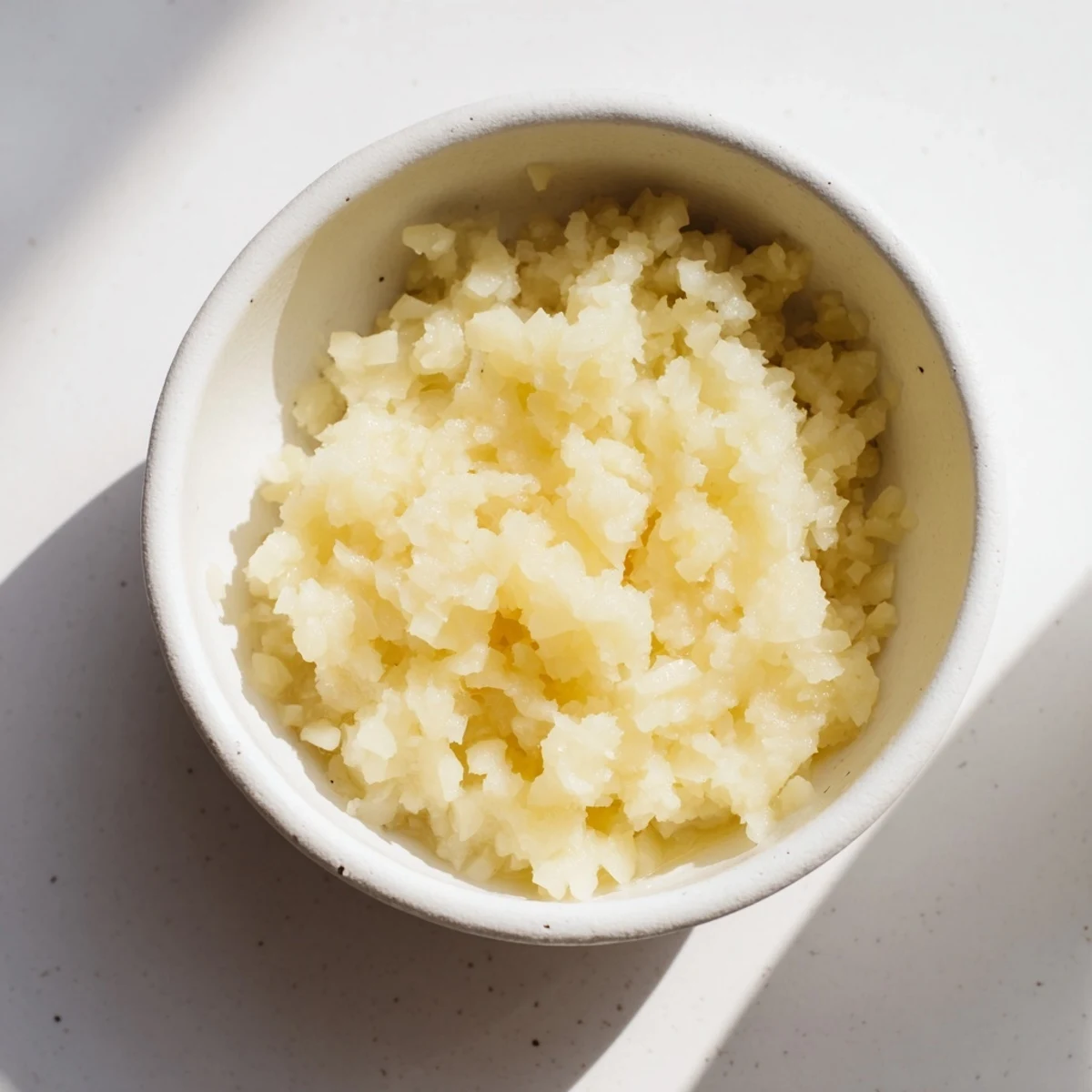
- Place the flat side of a chef's knife over a clove and press down firmly with the heel of your hand, then use the knife's flat side to drag and mash the crushed clove into a paste. Work your way through all the cloves, crushing and dragging, until they combine into a creamy mass flecked with salt.
- Add Oil if Desired:
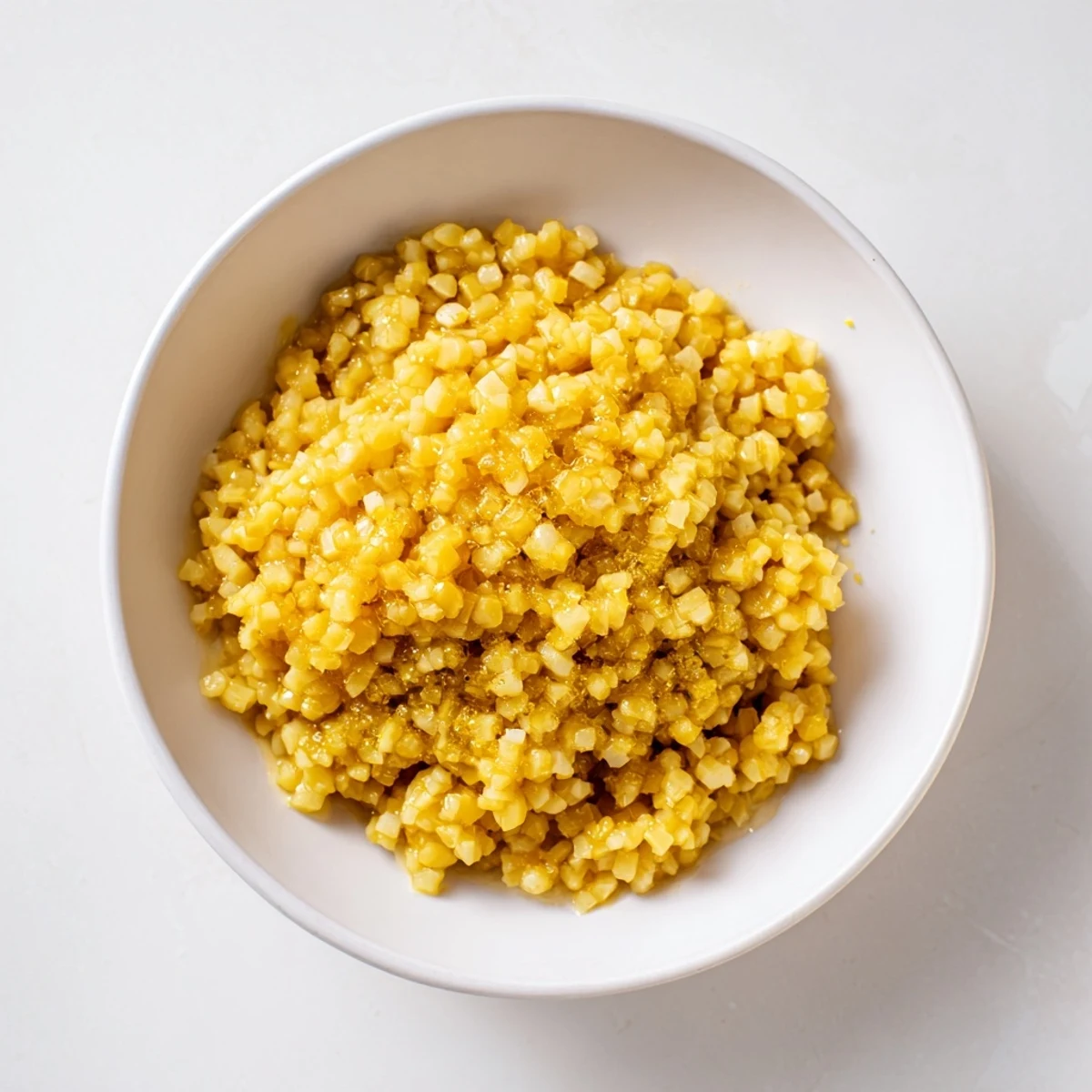
- Drizzle in the olive oil a little at a time while continuing to mash, watching the paste become silkier and more spreadable. This step is optional, but it's where the magic happens—the oil carries the garlic's flavor and makes it shine.
- Store or Use Immediately:
- Transfer your finished paste to a small airtight container and use it right away, or cover and refrigerate for up to a week. The flavor will mellow slightly as it sits, but it only gets better with time.
 Merken
 The first time someone asked me to share the recipe for what was in their salad, I realized this simple paste had quietly become part of how I cook. It wasn't fancy or surprising, but it was honest, and that turned out to matter more than I expected.
Using Crusher Garlic Beyond the Obvious
Once you have this paste ready, you'll find yourself reaching for it in moments you never anticipated. Stir a spoonful into mayonnaise for sandwiches, whisk it into softened butter for toasted bread, or add it to yogurt with lemon for an instant dip. I've folded it into cream cheese, whisked it into olive oil for dipping, and even mixed it into ground meat for burgers. The point is that this isn't just a condiment—it's a flavor amplifier that waits in your fridge, ready to deepen whatever you're making.
When to Crush Fresh vs. When to Use Stored Paste
There's a difference between the sharp, bright garlic from crushing it minutes before cooking and the rounded, mellowed version that's been sitting in your refrigerator for days. The fresh version sings in dressings and marinades, especially when you want raw garlic's edge. The stored version integrates beautifully into cooked dishes, becoming almost sweet and deep. I've learned to make fresh batches when I know I'm building a raw sauce, and to rely on my stored paste when I'm making something warm.
Small Variations That Shift Everything
This recipe is a canvas, and once you understand the basic technique, you can sketch in whatever your mood demands. A pinch of black pepper adds earthiness, lemon zest brings brightness, and a tiny pinch of red pepper flakes introduces a subtle warmth that lingers. Some nights I've added finely minced fresh herbs, other times a squeeze of honey to balance the sharpness. The technique stays the same; only your intention changes.
- Fresh lemon zest added at the very end brings a citrus brightness that feels clean and modern.
- A grind of black pepper transforms this into something you might serve on crusty bread with just a drizzle of good olive oil.
- Red pepper flakes—even just a pinch—remind you that garlic and heat are old friends.
 Merken
 This simple paste has taught me that the most generous cooking doesn't always come from elaborate recipes—sometimes it comes from understanding one thing deeply and letting its flavor speak. Keep a container of this in your refrigerator and watch how it finds its way into almost everything you make.
Fragen & Antworten zum Rezept
- → Wie wird die Knoblauchpaste hergestellt?
-
Knoblauchzehen werden geschält und mit Meersalz zerdrückt, bis eine glatte Paste entsteht. Optional wird Olivenöl für mehr Cremigkeit hinzugefügt.
- → Wie lässt sich die Paste milder machen?
-
Die Knoblauchzehen lassen sich vor dem Zerstampfen kurz blanchieren, um den Geschmack sanfter zu gestalten.
- → Wie lange hält sich die Paste im Kühlschrank?
-
Die Paste bleibt bis zu einer Woche luftdicht verschlossen im Kühlschrank frisch.
- → Wofür eignet sich die Knoblauchpaste besonders gut?
-
Sie ist perfekt zum Verfeinern von Saucen, Marinaden, Dressings oder als Brotaufstrich geeignet.
- → Welche Zutaten werden für die Paste benötigt?
-
Knoblauch, grobes Meersalz und optional natives Olivenöl für eine cremige Konsistenz.