
 Merken
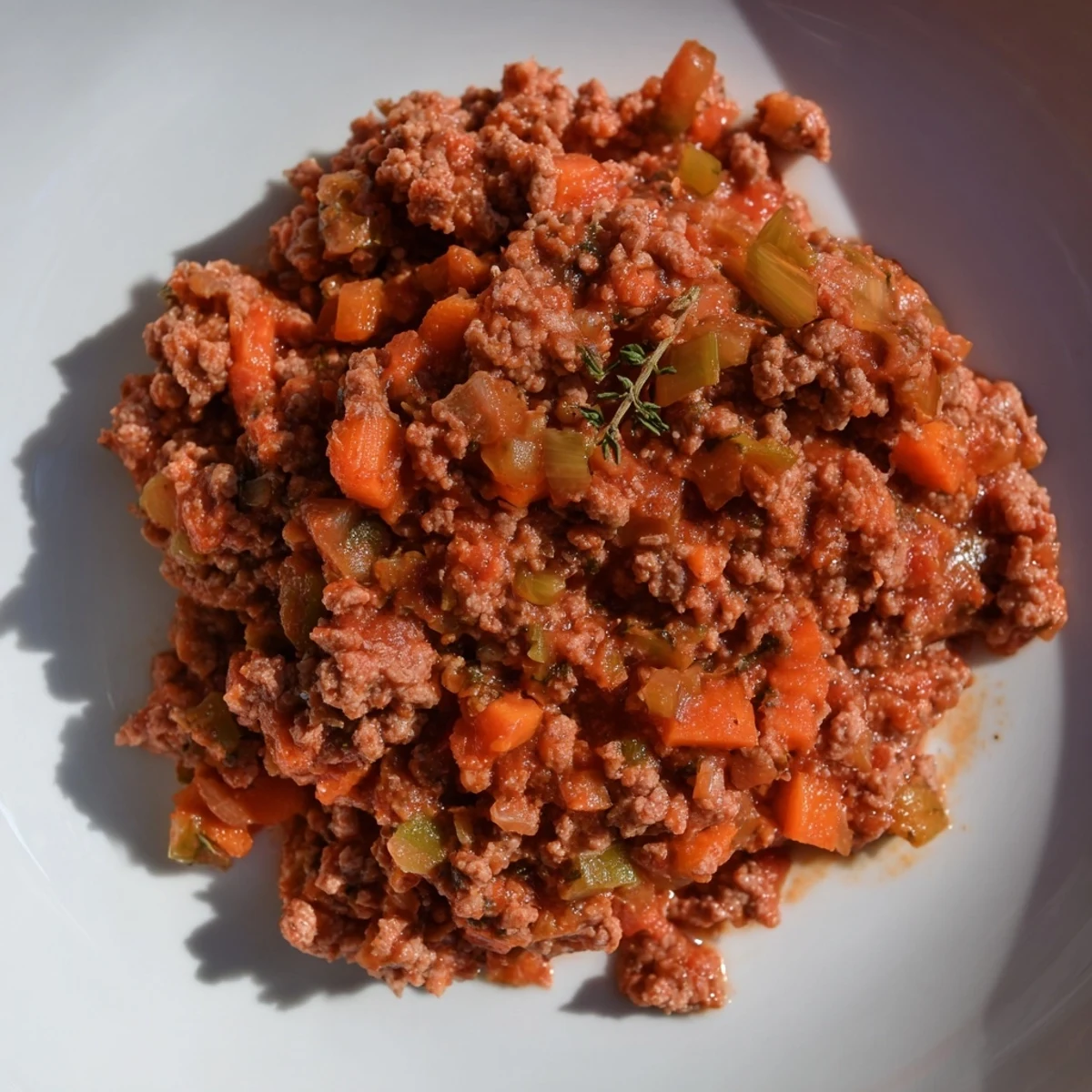
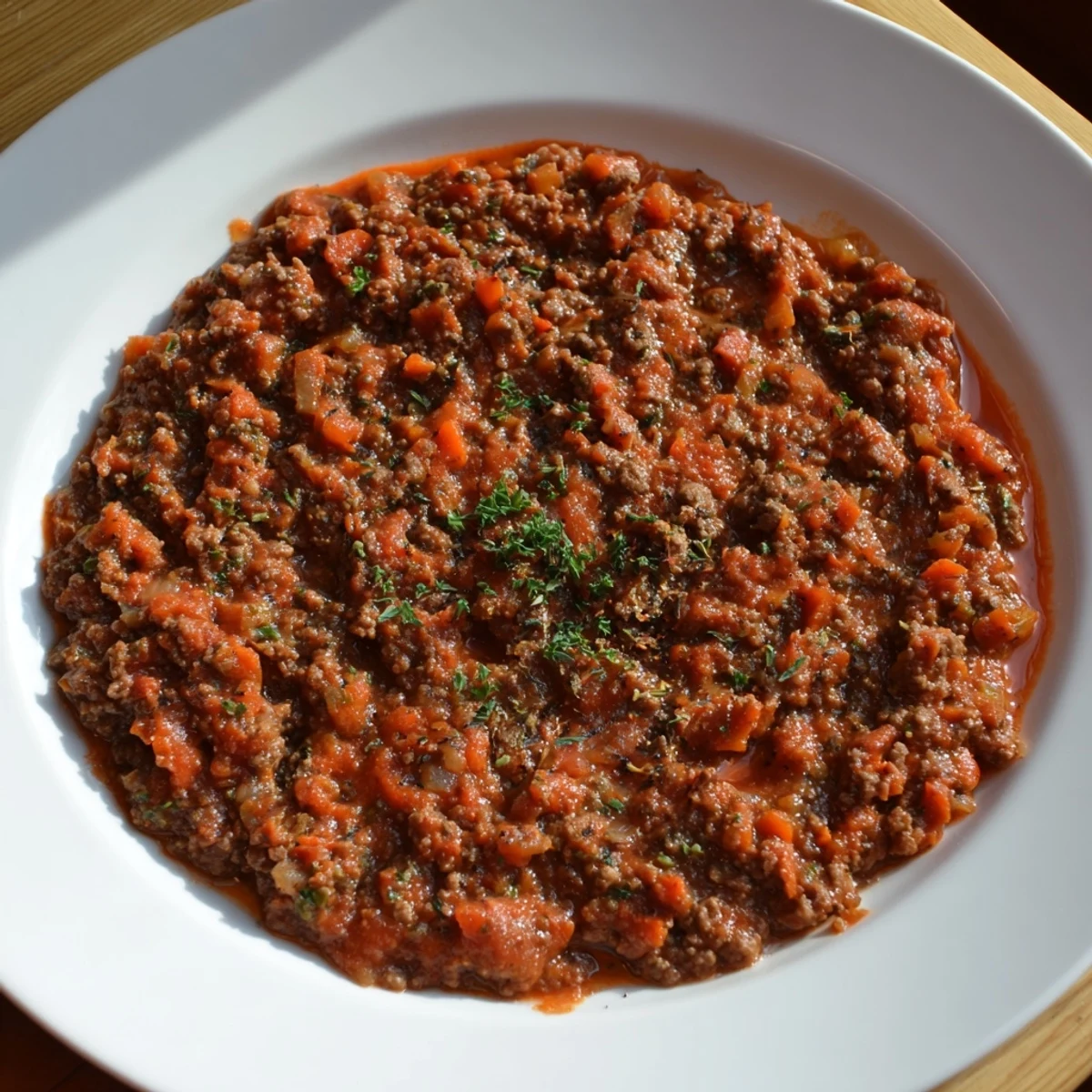
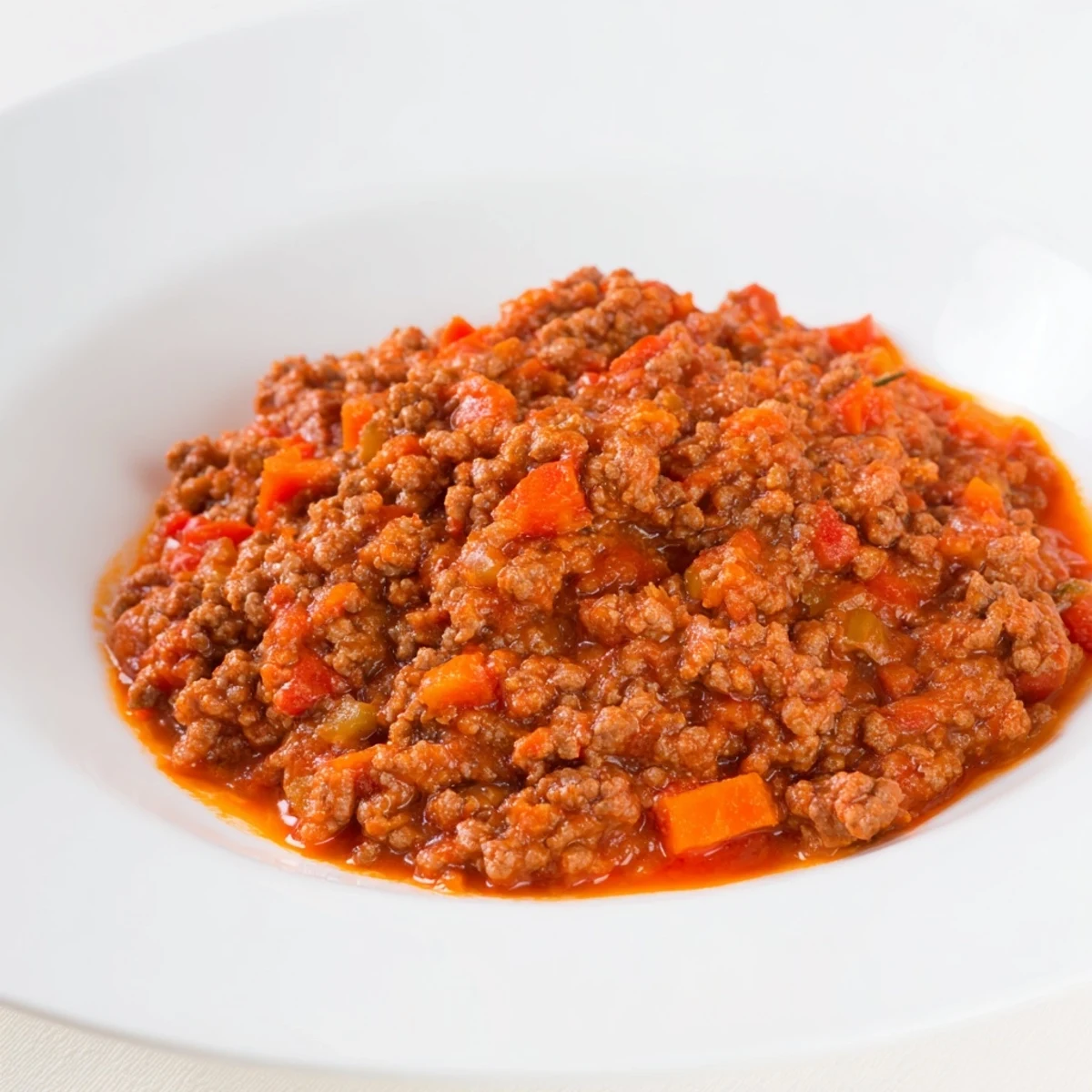
 Dieses klassische Hackfleischgericht kombiniert zartes Rindfleisch mit fein gewürfeltem Gemüse wie Karotten, Sellerie und Zwiebeln. In einer aromatischen Tomatensauce verfeinert mit Gewürzen und Kräutern entsteht ein herzhaftes Essen, das sich einfach zubereiten lässt. Ideal für schnelle Mittag- oder Abendessen, passt es hervorragend zu Kartoffeln, Reis oder Pasta. Die leichte Würze und frische Zutaten machen es vielseitig und nahrhaft, perfekt für jeden Tag.
There's something almost meditative about the sound of minced beef hitting a hot pan, that gentle sizzle that tells you everything is about to come together. I discovered this particular way of cooking beef during a rainy Tuesday when my fridge was practically bare except for some ground meat and whatever vegetables were lurking in the crisper drawer. What started as a desperate dinner solution became something I'd make again and again, tweaking it each time until it felt like it was truly mine.
I made this for a friend who'd just moved into their first flat with nothing but a camping stove and serious doubts about their cooking abilities. Watching them taste that first spoonful and realize they'd actually created something delicious was worth every minute of standing over the pan. That's when I knew this recipe wasn't just reliable—it was a confidence builder.
Ingredients
- 500 g lean minced beef: The quality of your meat matters here, though you don't need anything fancy; just ask your butcher for something with a bit of marbling so it stays tender as it cooks.
- 1 medium onion, finely chopped: Onions are your flavor foundation, and taking time to chop them properly means they'll soften evenly and sweeten as they cook.
- 2 garlic cloves, minced: Fresh garlic makes an enormous difference; pre-minced tends to taste faintly metallic if you're paying attention.
- 2 medium carrots, diced: These add natural sweetness and texture, though I've learned to cut them smaller than you'd think because they soften more slowly than everything else.
- 1 celery stalk, diced: It's easy to dismiss celery as background noise, but it contributes a subtle earthiness that rounds out the whole dish.
- 400 g canned chopped tomatoes: Canned is genuinely better than fresh here because the acidity and body are consistent; fresh tomatoes can vary wildly depending on the season.
- 2 tbsp tomato paste: This concentrate deepens the flavor in a way that makes people ask what your secret ingredient is.
- 200 ml beef stock: Quality stock transforms this from a simple brown sauce into something with real backbone; homemade is brilliant, but a good shop-bought version works just as well.
- 1 tsp Worcestershire sauce: Just a teaspoon, but it adds an umami punch that makes the whole thing taste somehow more savory than it should be.
- 1 tsp dried thyme: Dried herbs are perfect here because they meld into the sauce rather than standing out; fresh thyme would be lost.
- 1 bay leaf: It sits quietly in the background, adding a gentle herbal note that you notice only when it's missing.
- Salt and freshly ground black pepper: Always taste as you go; what seems right at the beginning might need adjusting once everything has cooked down.
- 2 tbsp vegetable oil: Use something with a neutral flavor and a decent smoke point so the onion can soften properly without burning.
Instructions
- Warm your pan and soften the onion:
- Heat the oil over medium heat until it shimmers, then add the onion and let it cook undisturbed for a moment before stirring occasionally. You're looking for it to turn translucent and smell gently sweet, which usually takes about 3–4 minutes.
- Add the aromatic vegetables:
- Stir in the garlic, carrots, and celery, letting them cook together for 4–5 minutes so their flavors start to meld. The kitchen will smell absolutely fantastic at this point, and that's your signal you're doing it right.
- Brown the beef:
- Turn the heat up to medium-high and crumble in the minced beef, breaking it apart with your spoon as it browns. This takes 5–6 minutes, and you want it to lose its pink color completely without any gray bits sticking to the pan.
- Deepen the flavors:
- Stir in the tomato paste and let it cook for just a minute, which concentrates its flavor and helps it combine with the meat rather than sitting on top.
- Add the wet ingredients and seasonings:
- Pour in the tomatoes, stock, Worcestershire, thyme, bay leaf, salt, and pepper, then stir everything together so nothing is stuck to the bottom of the pan. The liquid should look darker and more complex than any of its parts.
- Simmer until rich and thick:
- Bring everything to a gentle boil, then reduce the heat and leave it uncovered for about 20 minutes, stirring occasionally. The sauce will reduce and deepen in color, and you'll know it's done when it coats the back of a spoon and the vegetables are tender.
- Finish and serve:
- Fish out the bay leaf, taste, and adjust your seasoning if needed—sometimes it needs a pinch more salt or pepper, sometimes a dash more Worcestershire. Serve it hot over mashed potatoes, rice, or pasta, or save it for transforming into something else entirely.
 Merken
 My grandmother once told me that a good sauce is like having a reliable friend—it shows up consistently and makes everything around it better. I think about that every time I make this, watching it transform from separate ingredients into something unified and complex.
Building Flavor Layers
The secret to this recipe isn't any single ingredient but rather how they build on each other. Cooking the onion first creates a sweet foundation, adding garlic and celery introduces subtle earthiness, the tomato paste and Worcestershire add savory depth, and the long simmer lets all these layers knit together into something greater than the sum of its parts. It's like watching a photograph develop in old-fashioned developer—the image emerges gradually, not all at once.
Making It Your Own
This recipe is genuinely flexible without becoming formless. A splash of red wine instead of some of the stock adds sophistication; a pinch of chili flakes brings gentle heat; an extra tablespoon of tomato paste deepens the intensity; even swapping thyme for oregano creates a different mood entirely. I've learned that the best recipes are the ones you feel confident adjusting because you understand what each component does.
Beyond a Simple Dinner
What makes this recipe earn its place in my regular rotation is how useful it becomes. Spoon it over mashed potatoes for a classic British comfort dinner, layer it with pasta for a quick bolognese, use it as the filling for shepherd's pie or cottage pie on a cold evening, or dollop it into tacos when you want something hearty but different. I've also frozen it successfully, which means I can cook a big batch on a day when I have energy and fish it out weeks later when I genuinely don't.
- It freezes beautifully for up to three months, making weeknight desperation cooking nearly impossible to excuse.
- A generous grating of Cheddar cheese stirred in at the end transforms it entirely without being complicated.
- Cold leftovers actually become something interesting—spread on toast, stirred into salads, or tucked into a pastry case for an impromptu dinner party appetizer.
 Merken
 This recipe has been there for quick weeknight dinners, for impressing people who underestimate their cooking abilities, and for those moments when you have just enough ingredients and absolutely no inspiration. That's the mark of something worth keeping.
Fragen & Antworten zum Rezept
- → Wie kann ich das Gericht länger frisch halten?
-
Gekühlt in einem luftdichten Behälter hält es sich bis zu 3 Tage. Zum Einfrieren eignet es sich bis zu 3 Monate.
- → Welche Beilagen passen besonders gut dazu?
-
Kartoffelpüree, Reis oder Pasta harmonieren perfekt und nehmen die kräftige Sauce gut auf.
- → Wie gebe ich dem Gericht eine schärfere Note?
-
Eine Prise Chili- oder Paprikaflocken beim Köcheln sorgt für angenehme Würze ohne Dominanz.
- → Kann ich das Hackfleisch durch eine andere Fleischsorte ersetzen?
-
Gehacktes vom Schwein oder gemischtes Hackfleisch sind passende Alternativen, die den Geschmack leicht verändern.
- → Welche Kräuter eignen sich hierfür am besten?
-
Getrockneter Thymian und Lorbeerblätter verleihen dem Gericht eine klassische, aromatische Note.